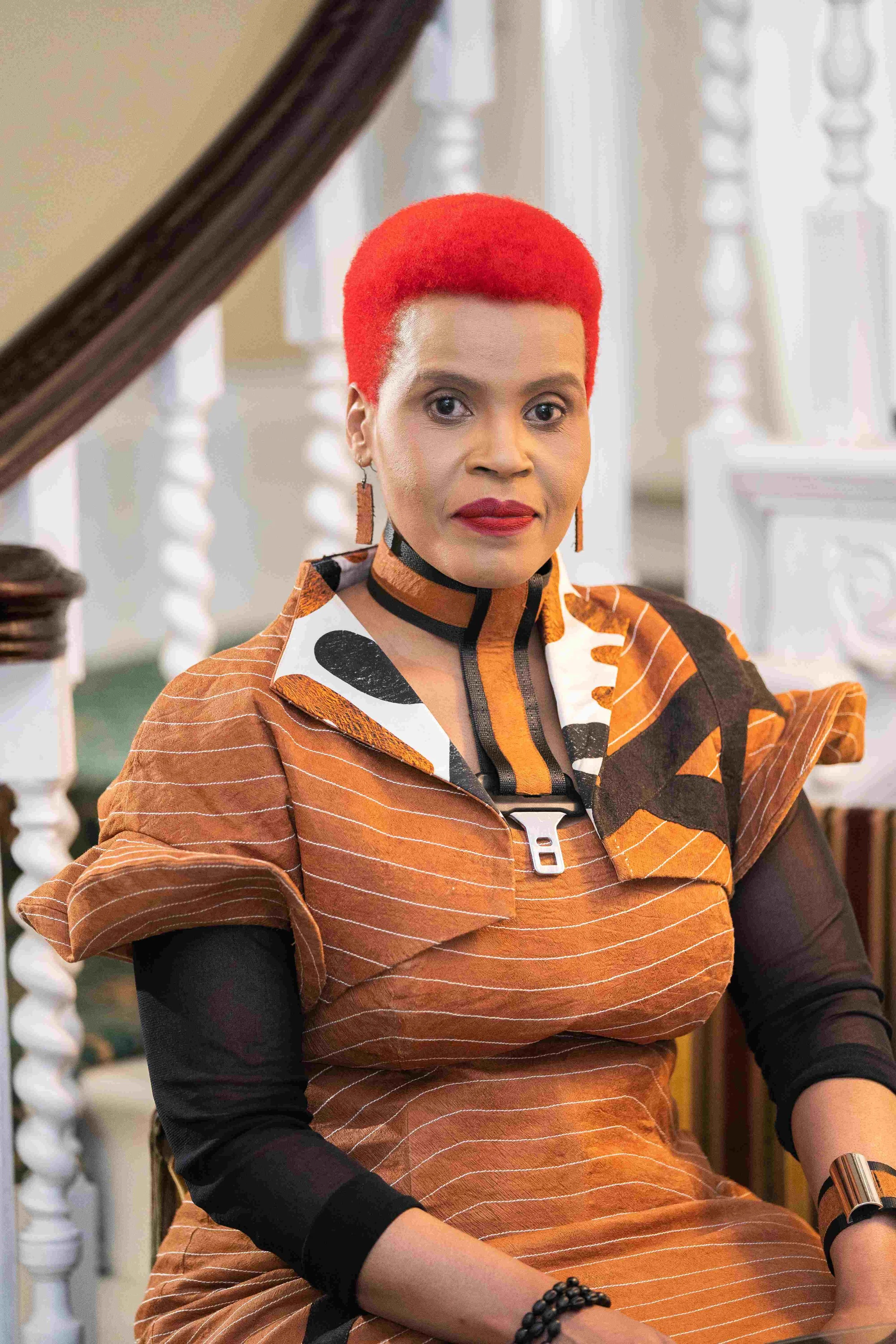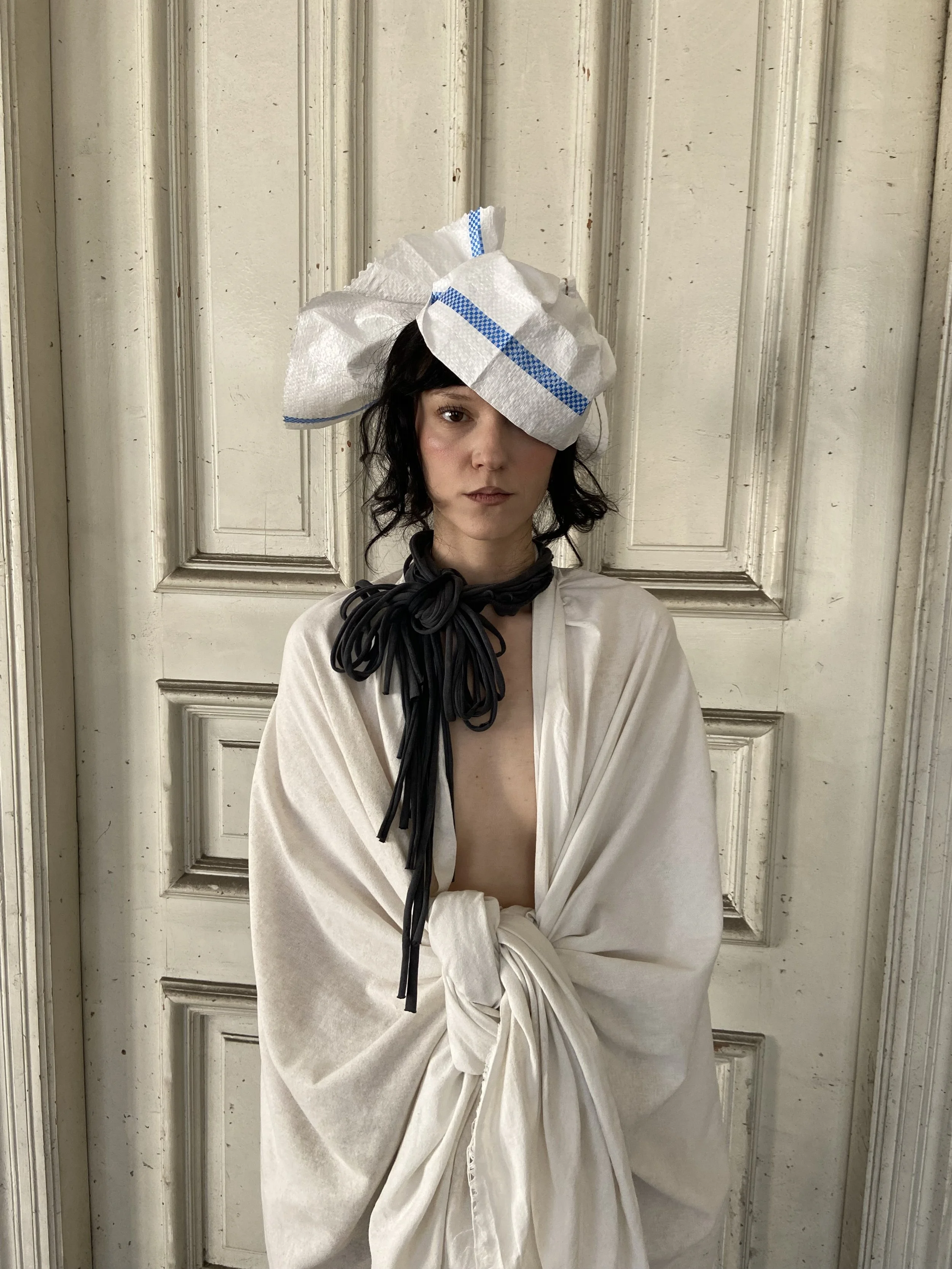
The theme for EFWA26 places a massive emphasis on slow, handcrafted production and environmental stewardship. How does your collection interpret "Handmade for the Earth" through your choice of techniques and materials?
In my collection, I aimed to limit the use of raw materials as much as possible, repurpose existing textile materials and highlight handcraft. In three of the six looks, I used natural, handmade felt. In the other three looks, I used unused fabrics, knitwear and fabric pieces taken from old garments that are no longer worn. I brought these materials back into the design process by combining them through patchwork and fabric manipulation techniques. Through this approach, I gave a new function to textile materials that were no longer in use and I adopted a slower and more considered approach to production by placing handcraft at the centre of the collection’s production process.
Handcrafted garments carry a human element often lost in mass production. What specific artisanal process (e.g. natural dyeing, hand-spinning, zero-waste weaving, upcycling) defines this collection?
The main handcraft process that defines my collection was bringing discarded textile materials together again through patchwork and fabric manipulation. I cut, transformed, and created different surfaces from unused fabrics, knitwear and pieces taken from old garments, turning them into new garment forms. Because this process developed largely by hand and according to the existing characteristics of each material, the resulting pieces move away from the standardised and repeatable structure of mass production. I probably could not make them exactly the same way again myself. But that makes them more special. In the other part of the collection, I used felt that was handmade using traditional methods. Rather than directly repeating traditional forms, I reinterpreted the felt according to my own design approach and incorporated it into the collection.
EFWA26 bridges ancient textile traditions with modern design. How does your work incorporate or preserve cultural craftsmanship without losing a contemporary edge?
For me, how freely I can work with the material is very important in the design process. For this reason, when working with traditional textile practices such as felt and patchwork, I wanted to reinterpret them through my own design approach rather than directly repeating their traditional forms and processes. I do not think preserving cultural craft simply means applying traditional methods exactly as they are. I feel that I also need to express my own design and production story through the relationship I build with these crafts.
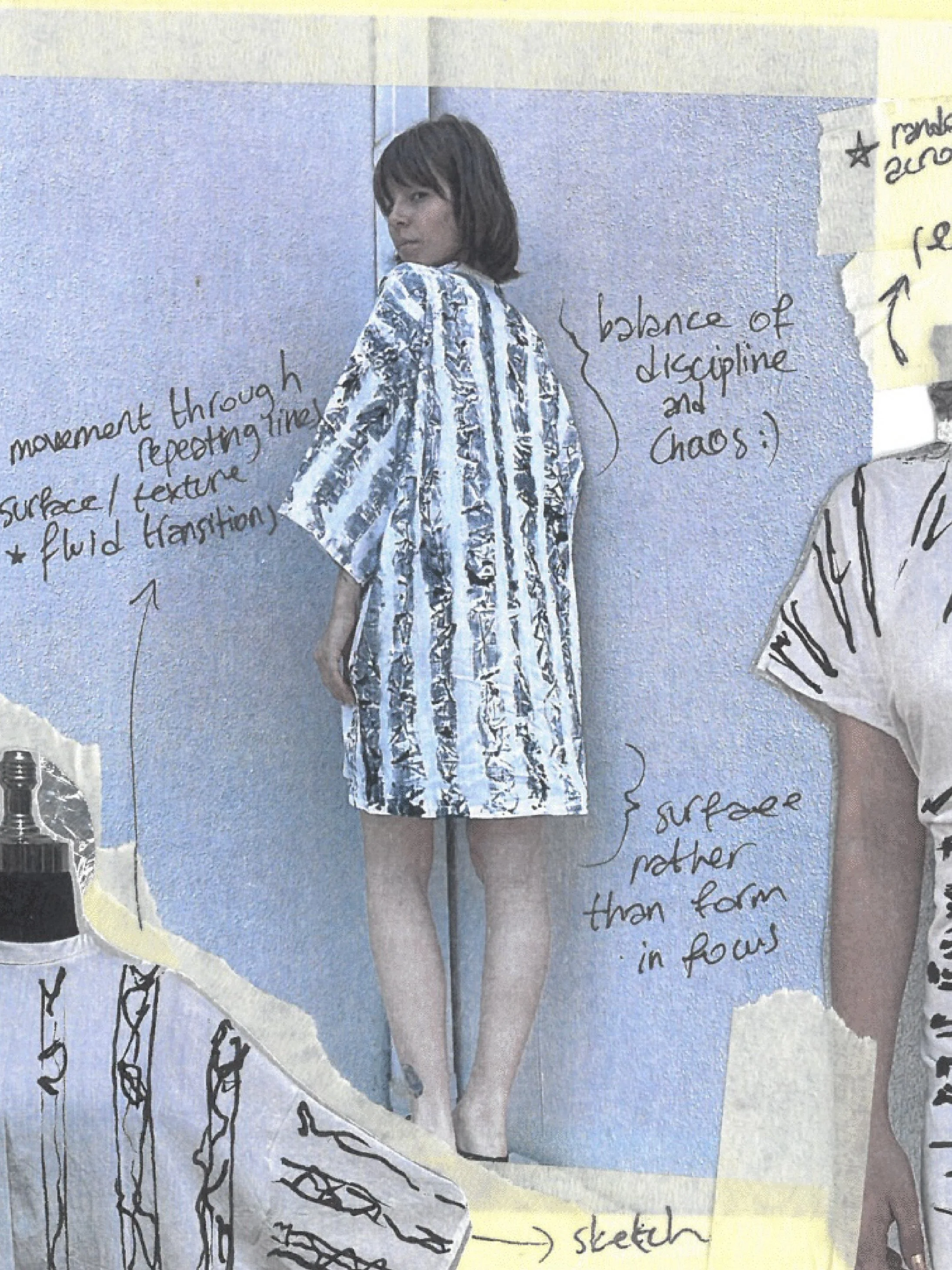
If your collection involves artisan collaboration or traditional techniques, how did working with these techniques shape your process as a designer?
No matter how much I plan and sketch my designs before I start sewing, sometimes the nature of the material inevitably takes the design in a different direction and suddenly the material becomes the boss. But I find that fun. Felt, in particular, challenged me incredibly because it is a very delicate material and if you do not really understand its language, things can suddenly change. The relationship you build with the material is very valuable and for me, no matter how well you know a material, every design process is a different experience. I learn so much every time.
Every eco-designer tackles sustainability from a unique angle—whether it's circularity, natural dyes, or zero-waste pattern making. What was the most challenging sustainable constraint you navigated while building this runway collection?
I tried to create as much as possible with the materials I already had. Because I worked with discarded garments and fabric scraps instead of fabric yardage, the amount of material available was limited. I had to adapt the patterns spontaneously according to the dimensions the material allowed. Because different fabric pieces were used, the form and behaviour of each fabric could differ from another, which could make achieving a balance between construction and form technically challenging. But I think this difference gives the designs a distinct character.
How do you ensure your garments remain truly low-impact across their entire life cycle, from source fibre to end-of-use?
I try to make choices in my design and production process that reduce environmental impact. Rather than consuming more resources through the production of new fibres, I repurpose unused fabrics and garments in part of the collection. For the felt, I choose materials made entirely from natural and renewable fibres. Felt made from natural fibres, as long as it contains no synthetic additives, has the potential to biodegrade at the end of its life. In the production process, instead of relying on industrial methods with high energy consumption, I focus on handcraft-based techniques such as hand cutting, patchwork, and fabric manipulation.
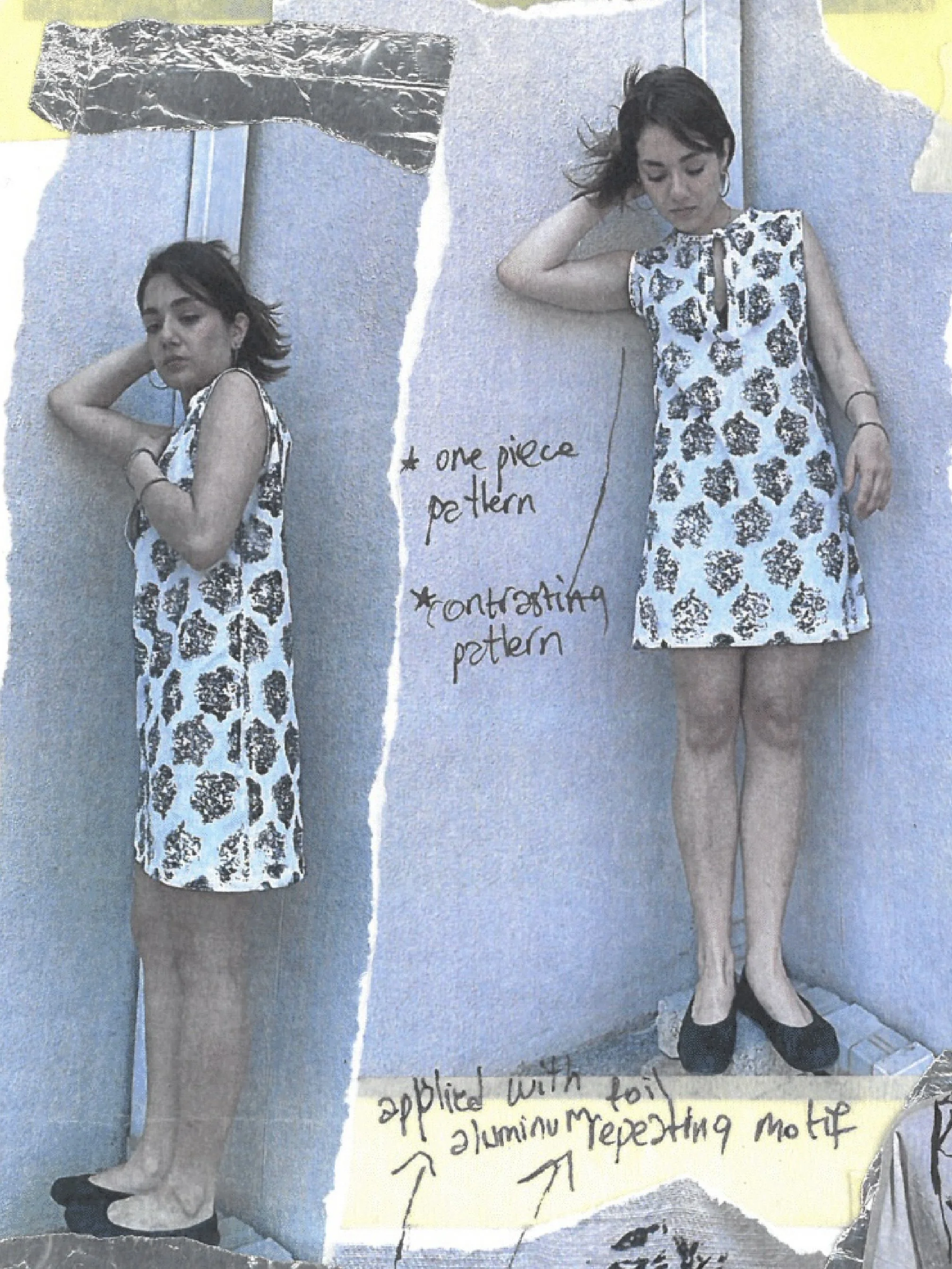
Showing at the Midland Junction Arts Centre for the Perth segment of EFWA26 brings your work to a dedicated local and international community. What message or feeling do you hope the Western Australian audience takes away from viewing your pieces on the runway?
We often see traditional fabrics such as felt within a classical, cultural, or authentic context. However, I think that because of its form and structure, felt is a material that is very suitable for avant garde design. I feel that placing it only within a traditional category actually limits the potential of the material. With this collection, I want the audience to look at felt from an unfamiliar perspective and see that a traditional material can be transformed into a completely different design language. On the other hand, I want to show that discarded fabrics and old clothes can be transformed into modern and wearable designs through the right craftsmanship. We are very inclined to consume. We constantly want new clothes, while the things we no longer wear often simply remain in our wardrobes. I want people to think about the fact that when a material or garment loses its existing function, it does not mean that its story has ended. Not everything has to be transformed in its entirety. Sometimes even a small piece can be enough to create something new.
Fast fashion continues to dominate consumer markets. What do you believe events like EFWA can do to shift mindset toward valuing slow, handmade textiles?
Today, the fashion industry operates within a system built around overproduction and unconscious consumption. However, the world does not need more new clothes or petroleum based polyester fabrics. Fast fashion is not a necessity. It is an unsustainable system that constantly pushes people towards consumption and disregards craftsmanship and fair human labour in mass production. I do not believe in the ethical illusions created by many luxury brands or in pessimistic narratives such as “the world can no longer be saved.” Instead of constant growth, I advocate slowing down, preserving the resources we already have and degrowth. I believe that sustainable fashion is possible by reducing production, valuing handcraft and transforming what already exists. I think events like EFWA are important because, rather than discussing sustainability only in theory, they can show how different designers put it into practice through real designs and different production methods. I think events like these can teach people not to look at a garment simply as a product to be consumed or something that looks beautiful but help them see it again as an object with labour, materials, culture, and a production story behind it.