The theme for EFWA26 places a massive emphasis on slow, handcrafted production and environmental stewardship. How does your collection interpret "Handmade for the Earth" through your choice of techniques and materials?
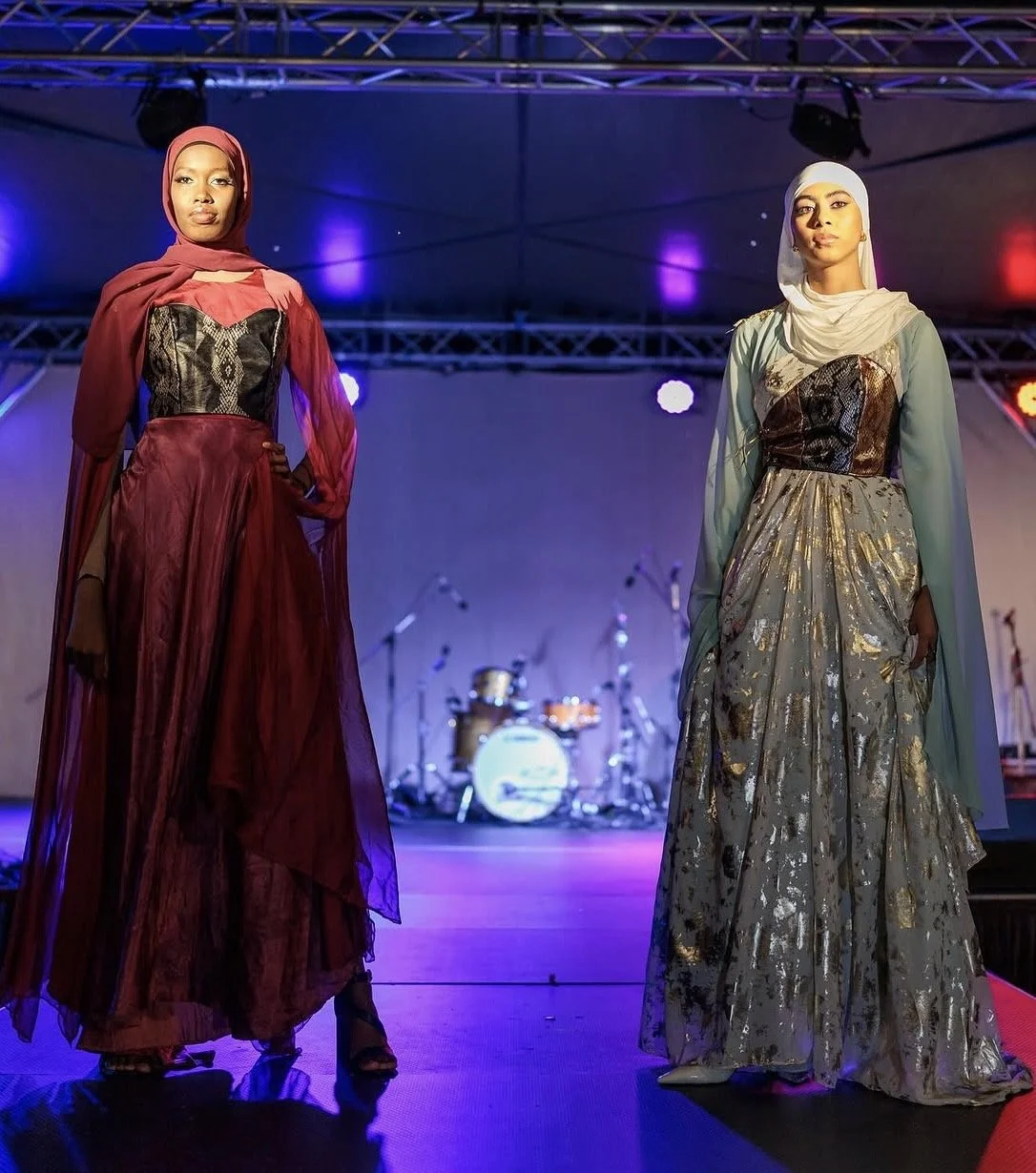
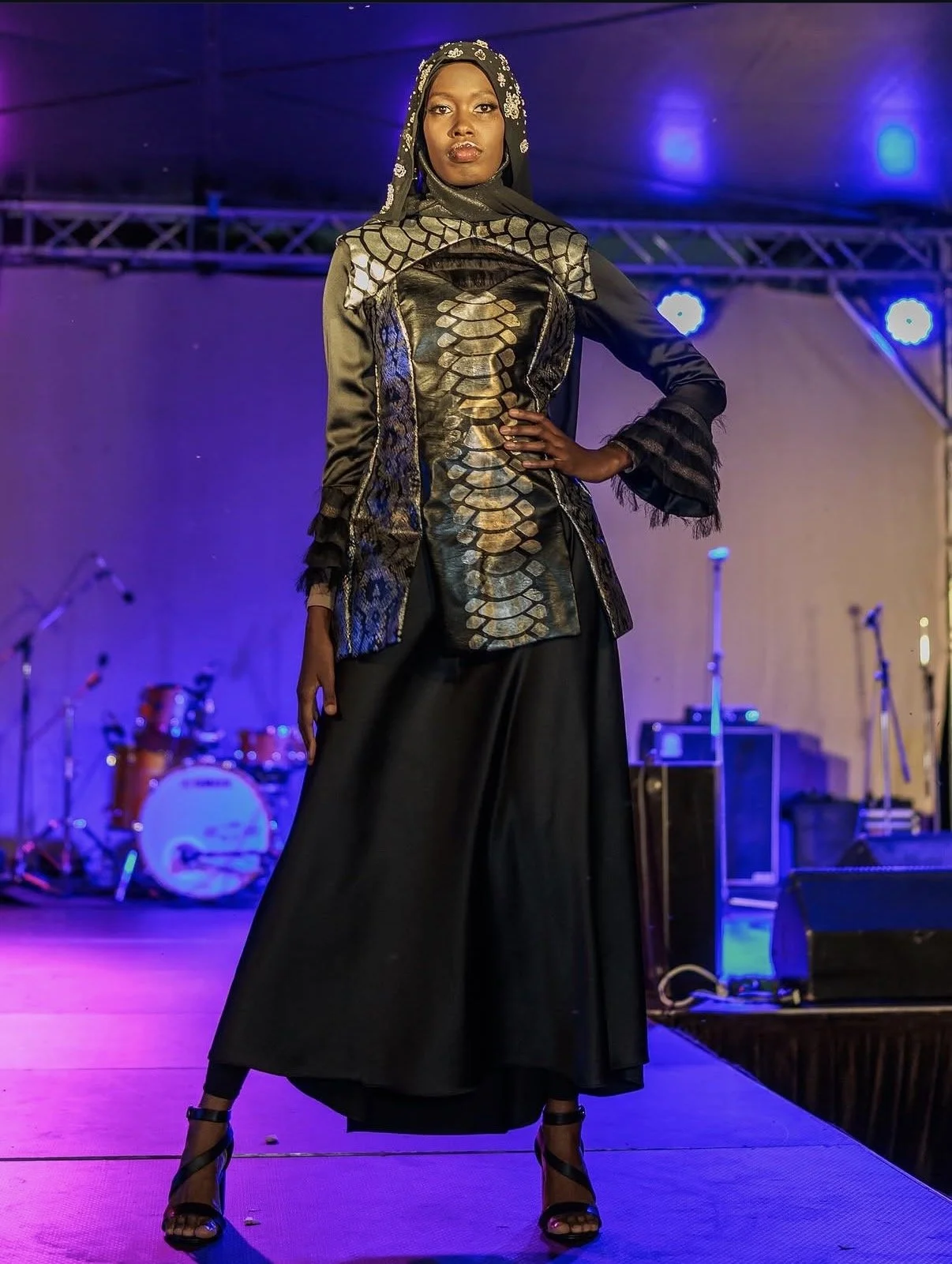
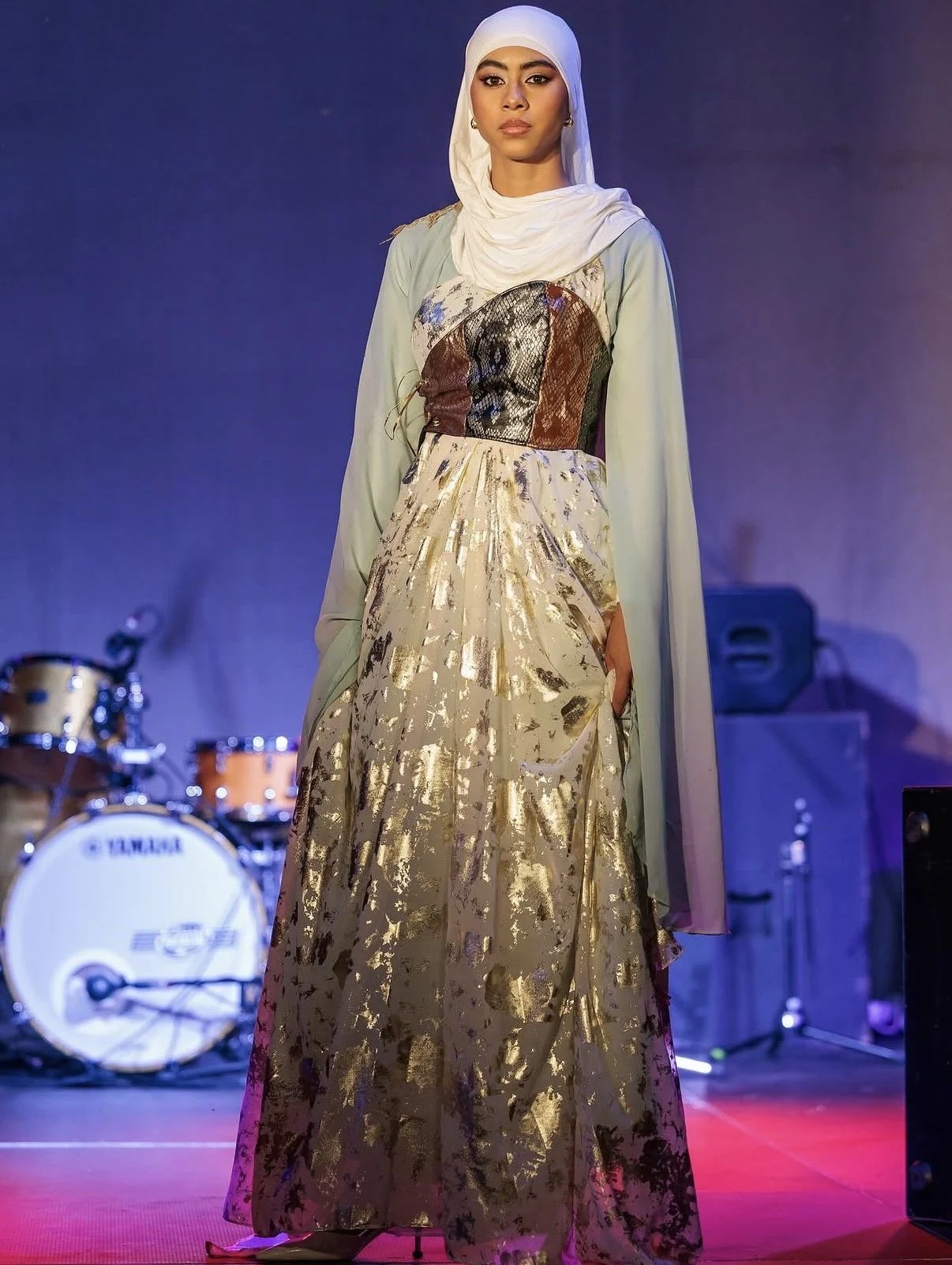
My collection, Botanica, is inspired by nature and the shifting seasons. I wanted to translate elements of nature into a wearable work of art through distinct colours, textures, and silhouettes. For me, “Handmade for the Earth” is about appreciating the time, effort and creativity that goes into making art hand. I am involved in the construction of my garments, from choosing fabrics and working with patterns to draping, to stitching and finalising the details.
I am also learning to be more mindful and make use of the materials I have already stored and finding creative ways to repurpose so that they do not go to waste.
Handcrafted garments carry a human element often lost in mass production. What specific artisanal process (e.g., natural dyeing, hand-spinning, zero-waste weaving, upcycling) defines this collection?
My main processes include handcrafting and up-cycling. I enjoy taking something that already exists and imagining the possibilities of what i can transform it into. Some of the materials I am working with are fabrics I have collected during my time as a fashion student, and I’ve also experimenting with an existing garment and reconstructing it into something completely different. I am what I love about designing is sometimes you start with one idea, but as you work with the fabric, it shifts to another direction. I like allowing that creative process to happen rather than trying to control and force it.
EFWA26 bridges ancient textile traditions with modern design. How does your work incorporate or preserve cultural craftsmanship without losing a contemporary edge?
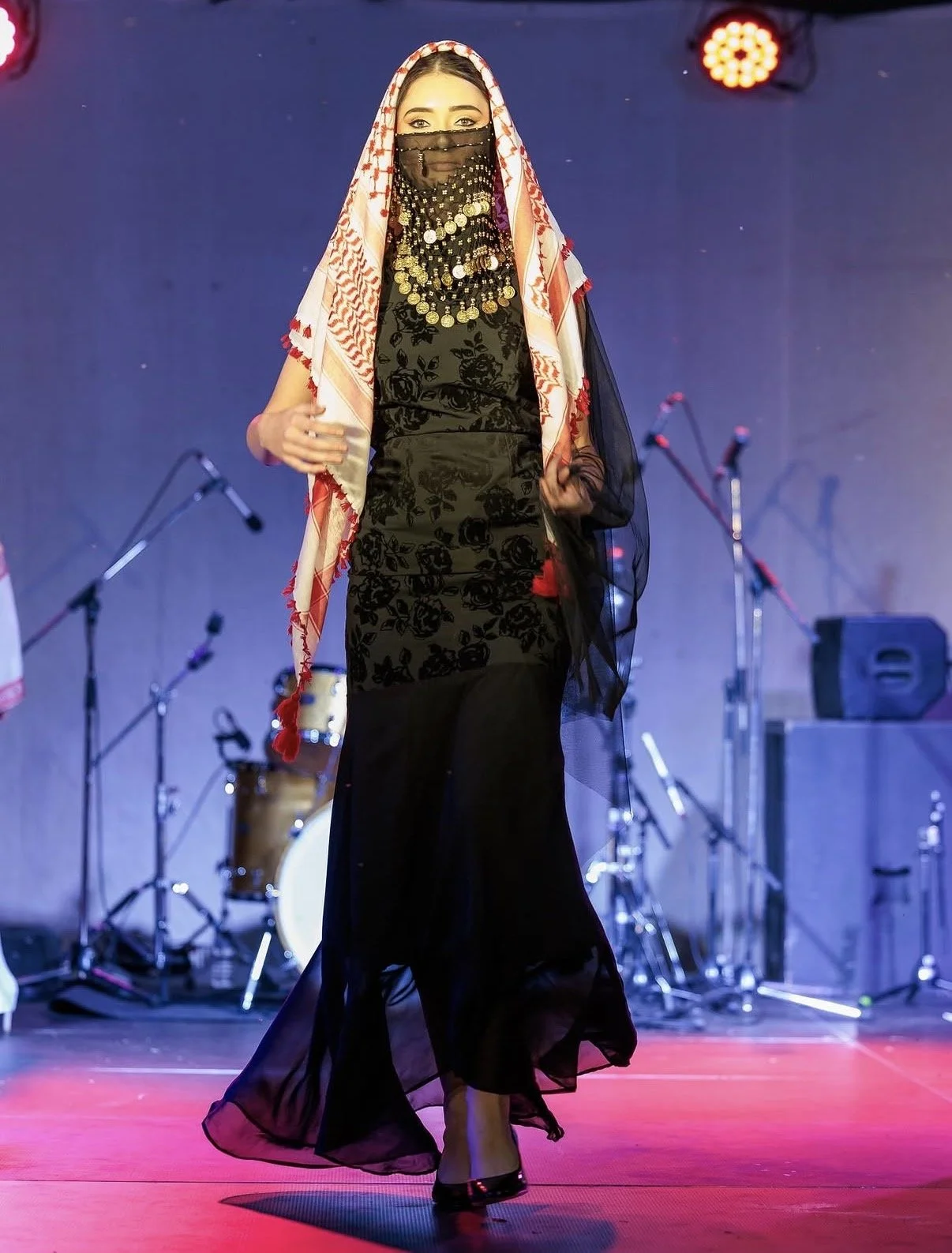
I appreciate the creativity and craftsmanship found in different traditions, especially the attention to detail, I especially like stories when stories are expressed and preserved through clothing.As a designer, I’m in the process of exploring the ways I want to bring those influences into my creation. With Botanica, my main inspiration is nature, but I also enjoy experimenting with modest designs and flowing fabrics to create a dramatic effect.
I want to create pieces that feel artistic and expressive while merging into them some modernity and giving them their own identity.
If your collection involves artisan collaboration or traditional techniques, how did working with these techniques shape your process as a designer?
This collection has been very hands on, which has taught me a lot about patience, problem-solving and trusting my creativity and the process rather than expecting absolute perfection. I am learning that the designing process is not always straightforward. Somethings may not work the way I imagined, and I must rethink it, redirect it, or find a different solution. This project has helped me to appreciate craftsmanship even more because it’s one thing to imagine a design but bringing it to life with your own hands is a completely unique experience.
Every eco-designer tackles sustainability from a unique angle—whether it's circularity, natural dyes, or zero-waste pattern making. What was the most challenging sustainable constraint you navigated while building this runway collection?
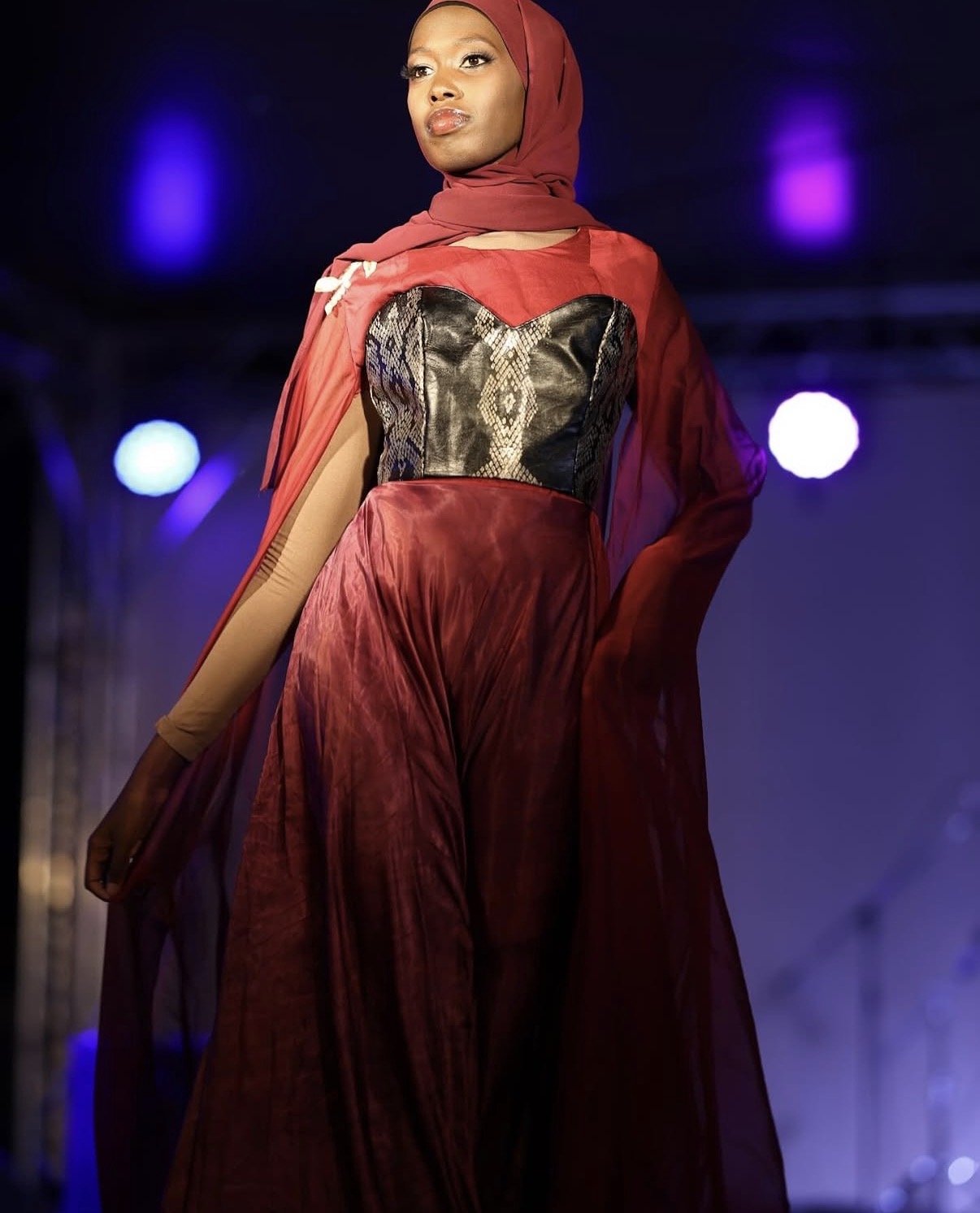
One of my biggest challenges has been working with the materials I already have while trying to bring my creative vision to life. Sometimes you imagine a particular look, but the fabric you have might not behave the way you expected. Instead of buying something new, I have been challenging myself to work with what is available to me and find creative solutions. It has taught me to be more resourceful and flexible as a designer. I have realised that limitations can sometimes push you to discover your creative potential.
How do you ensure your garments remain truly low-impact across their entire life cycle, from source fiber to end-of-use?
I am still learning about sustainability while working towards it as a designer so I would not say I have perfected it just yet; however, I’m becoming more conscious of the choices I make and how it may impact the earth.
I am trying to make better use of the fabrics and materials I already own to reduce unnecessary waste, give garments a new life and can be altered or transformed in the future.
Sustainability is also about working with what is available and changing the way we value clothing. Instead of seeing a garment as a disposable thing, I want to see it as something worth keeping, repairing, and repurposing.
Showing at the Midland Junction Arts Centre for the Perth segment of EFWA26 brings your work to a dedicated local and international community. What message or feeling do you hope the Western Australian audience takes away from viewing your pieces on the runway?
I want people to feel a connection to nature when they see my collection Botanica on the runway. Each design stands for a different season or an aspect of nature and I wanted to capture the beauty of it and translate it into garment through displaying movement and personality.
I hope I can inspire people to see the creativity and possibilities behind handmade garments and that they do not always need something brand new to create something valuable. Nature is already an incredible work of art, and as an artist and designer, Botanica is my way of expressing art through fashion.