
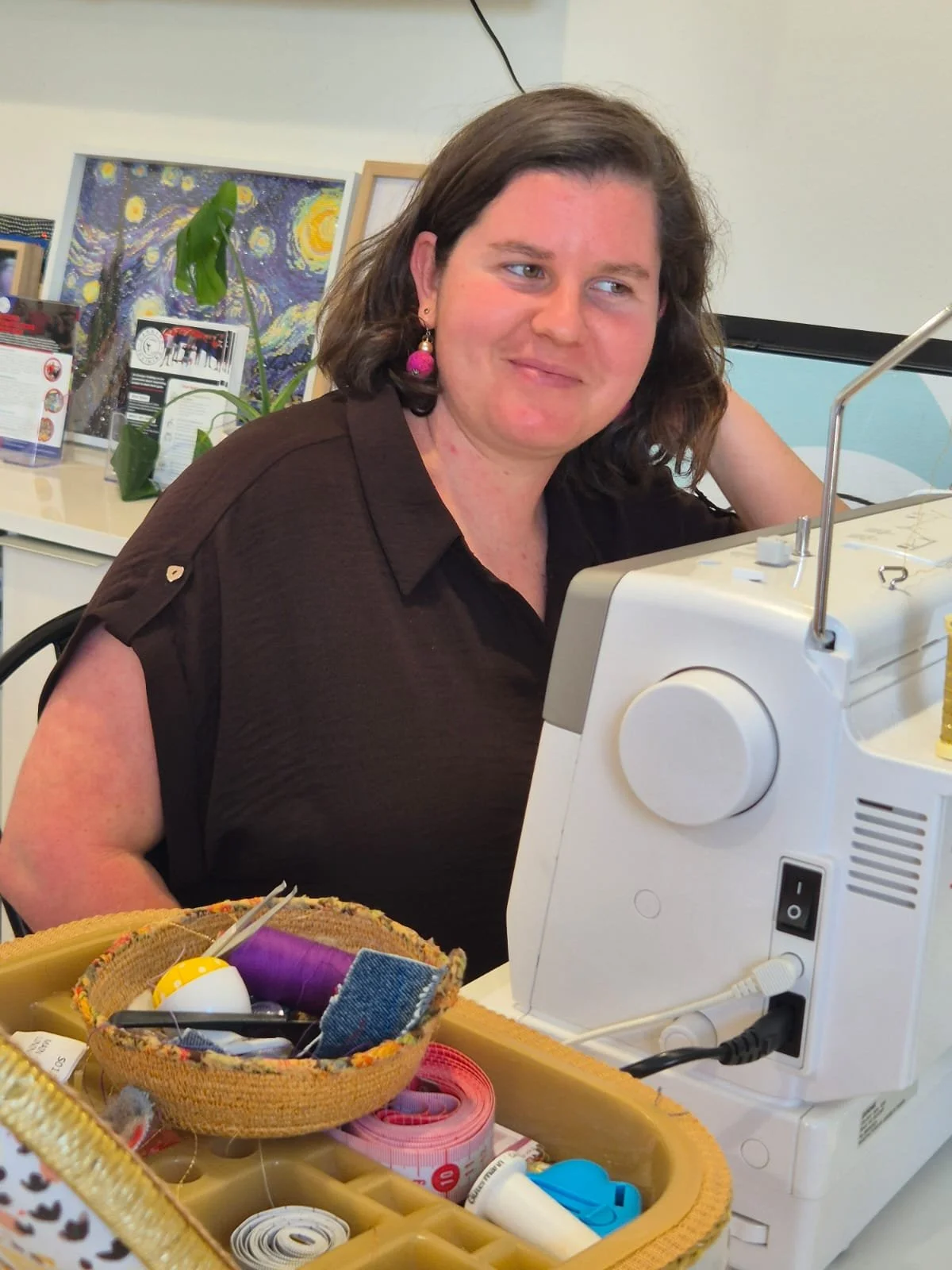
The theme for EFWA26 places a massive emphasis on slow, handcrafted production and environmental stewardship. How does your collection interpret “Handmade for the Earth” through your choice of techniques and materials?
For me, “Handmade for the Earth” is about looking at what already exists and seeing its potential rather than its limitations.
Felt Girl is built around the transformation of discarded, pre-loved and unconventional textiles into something unexpected. I work with felt, op-shop fabrics, denim and other reclaimed materials, allowing their existing textures, colours and imperfections to become part of the design.
I don't want to erase the history of a material. I want to give it another chapter.
The collection is a celebration of slow fashion, individuality and the beauty that can emerge when we stop treating clothing as disposable.
Handcrafted garments carry a human element often lost in mass production. What specific artisanal process defines this collection?
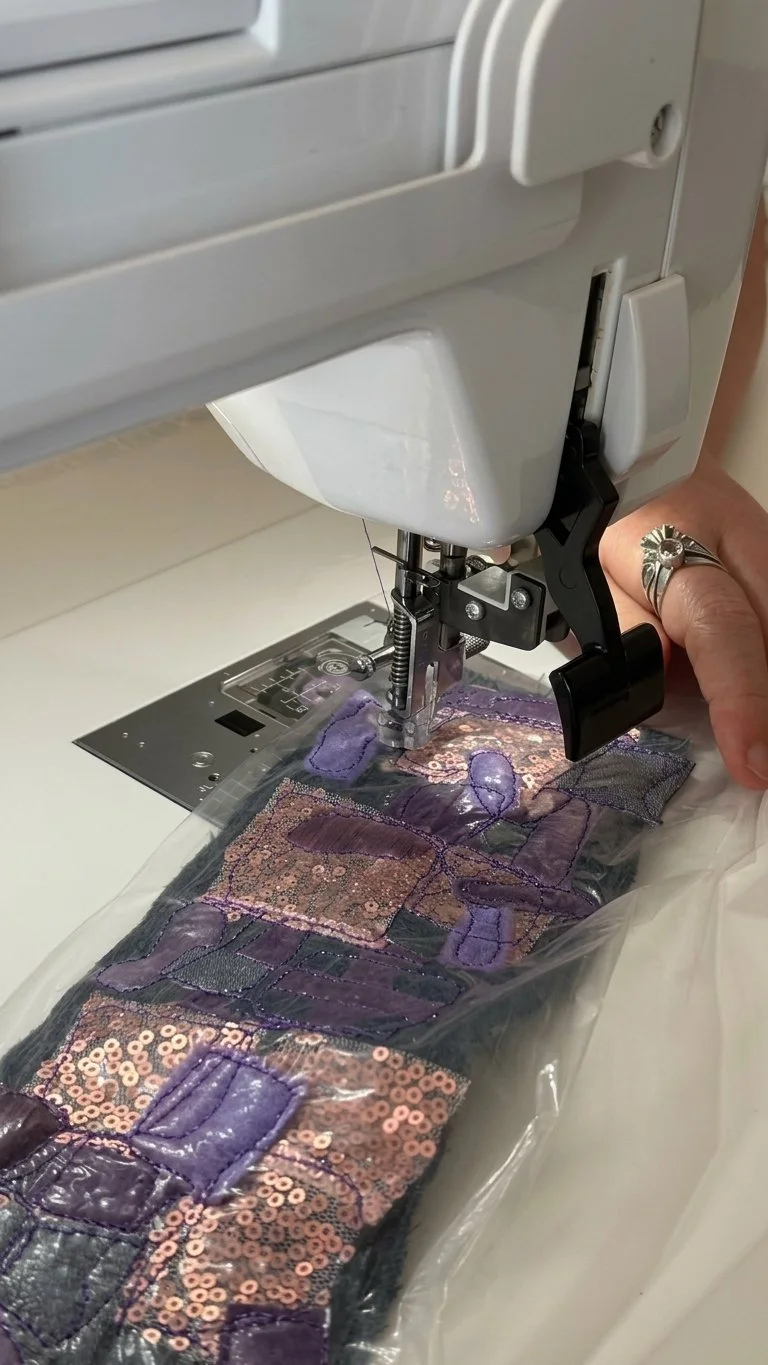
Free-motion stitching, textile manipulation and upcycling are central to my process.
A lot of my work begins with experimentation rather than a traditional pattern. I layer fabrics, manipulate textures and stitch directly into the materials, allowing the garment to evolve as I work.
There is something very personal about that process. You can see the movement of the hand in the stitching and the decisions made along the way.
That is what I love about handmade fashion — there is personality in it. No two pieces are ever completely identical, because they are shaped by both the material and the maker.
EFWA26 bridges ancient textile traditions with modern design. How does your work incorporate or preserve cultural craftsmanship without losing a contemporary edge?
My work is rooted in the belief that textile craftsmanship deserves to remain relevant in contemporary fashion.
Rather than reproducing traditional garments or techniques, I take the principles of hands-on textile making — stitching, layering, construction and manipulation — and explore them through a modern wearable-art lens.
I want my work to challenge the idea of what sustainable fashion is supposed to look like. It can be experimental, sculptural, bold and unconventional while still being deeply connected to the craft of making.
If your collection involves artisan collaboration or traditional techniques, how did working with these techniques shape your process as a designer?
Working with handmade techniques has taught me to listen to the materials.
When you're working with reclaimed textiles, you can't always control what you're going to find. A piece of denim may have a particular wear pattern. A vintage fabric may have imperfections. Felt can behave differently depending on how it has been created or manipulated.
Instead of seeing those characteristics as problems, I use them to influence the design.
That creates a much more intuitive process. I experiment, adapt and problem-solve as I go — and often the unexpected moments become the most exciting part of the garment.
Every eco-designer tackles sustainability from a unique angle. What was the most challenging sustainable constraint you navigated while building this runway collection?
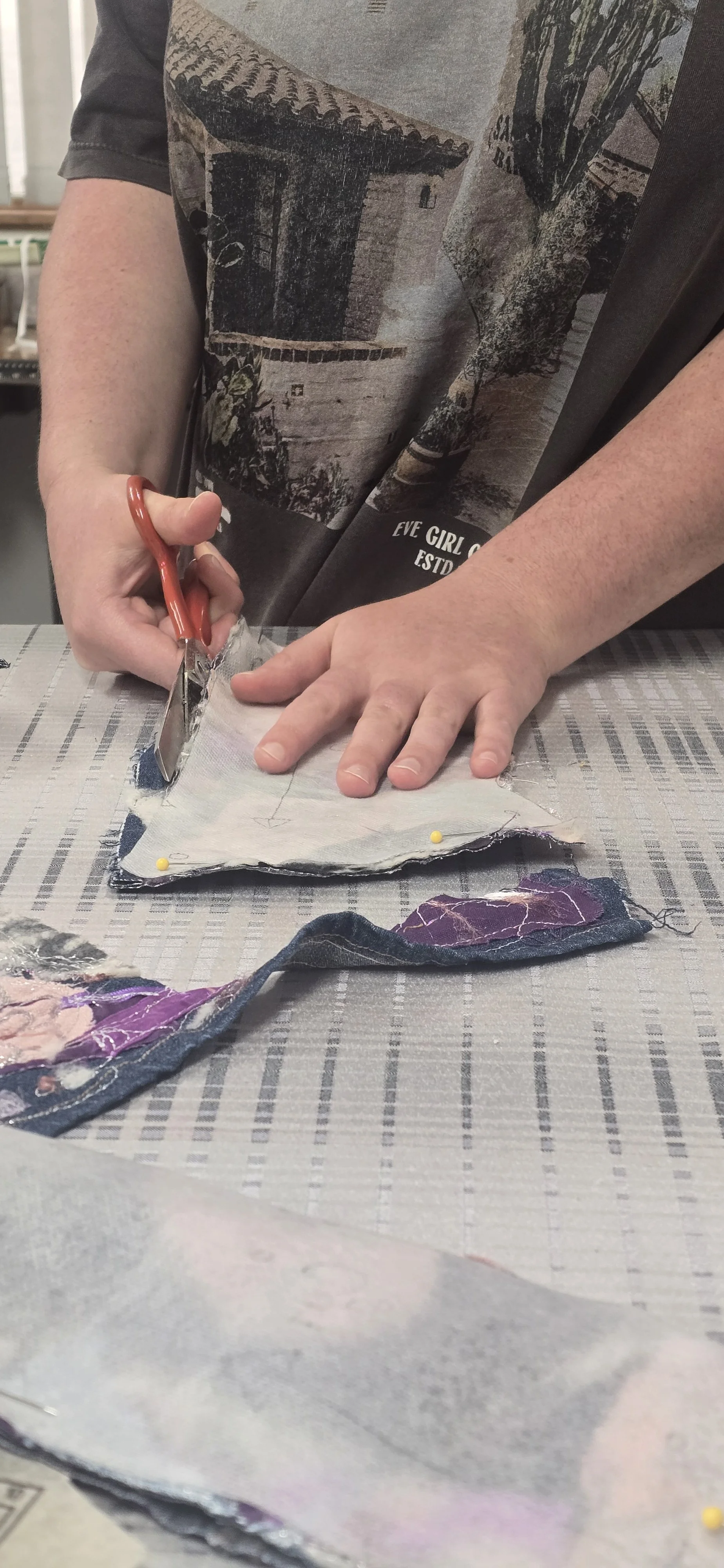
The challenge is creating something visually powerful without having unlimited access to new fabrics and materials.
In conventional fashion, you can decide on a colour, fabric or quantity and simply order it. My process is different. I begin with what already exists.
That limitation forces me to think differently. It pushes me to experiment with proportion, texture, layering and construction rather than relying on a beautiful new fabric to carry the design.
For me, that's where creativity really begins.
How do you ensure your garments remain truly low-impact across their entire life cycle, from source fibre to end-of-use?
I start by questioning whether I need to use something new at all.
Where possible, I work with existing materials — pre-loved textiles, op-shop finds, denim, felt and unconventional materials that might otherwise be overlooked or discarded.
I also design with individuality and longevity in mind. I want my garments to be pieces people connect with, keep and continue to wear rather than something that has a short life before being replaced.
Repair, alteration and creative reuse are also important parts of my practice. A garment doesn't necessarily have one final form. It can evolve.
To me, true sustainability is not simply about the material a garment is made from. It's about changing our relationship with clothing.
Showing at the Midland Junction Arts Centre for the Perth segment of EFWA26 brings your work to a dedicated local and international community. What message or feeling do you hope the Western Australian audience takes away from viewing your pieces on the runway?
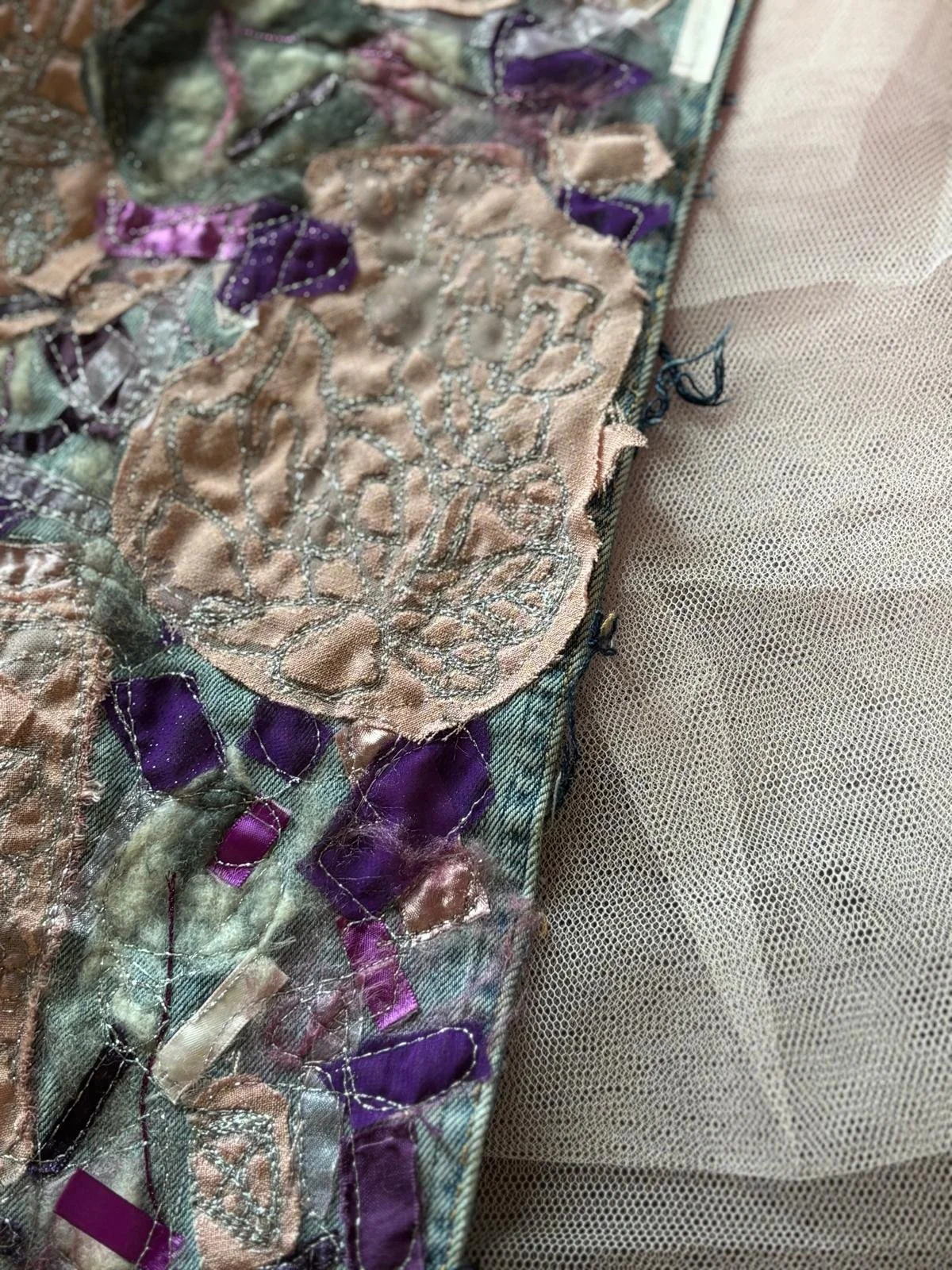
I want people to feel joy, and to be curious - I want them to look at a garment and wonder what it was before it became a Felt Girl piece.
If someone walks away thinking, “I never would have imagined that it was made from recycled or pre-loved materials,” then I've achieved something.
My work is Textural. Bold. Sustainable. I want sustainability to feel exciting and fashion-forward — not like a compromise.
I also want audiences to see the person behind the work and understand that creativity doesn't have one mould. My journey as a designer and a person living with disability is part of my story, but it doesn't define the limits of what I can create.
Fast fashion continues to dominate consumer markets. What do you believe events like EFWA can do to shift mindset toward valuing slow, handmade textiles?
We need to change the question from “How much does this cost?” to “What went into making this?”
When you see a handmade garment on a runway, you can begin to understand the hours, experimentation, craftsmanship and story behind it. That creates a completely different relationship with clothing.
Events like EFWA give sustainable designers a platform to challenge the idea that fashion must be mass-produced, constantly replaced and disposable.
They show audiences that recycled and handmade materials can become fashion with impact — pieces that are artistic, desirable and worthy of being treasured.
For me, slow fashion is about reconnecting people with the value of making. It's about buying with intention, wearing with pride and understanding that the most interesting garment in the room doesn't necessarily have to be the newest one.